Whats The Difference, Between Resin and Concrete
When it comes to upgrading to a new driveway, resin bound and concrete are two popular options in Andover and surrounding areas. In both cases, longevity is assumed, but what other factors can influence the decision-making process? The guide below is intended to help you understand the key differences, benefits, and drawbacks of each material, allowing you to select the one that is best suited to your property.
The visual appeal
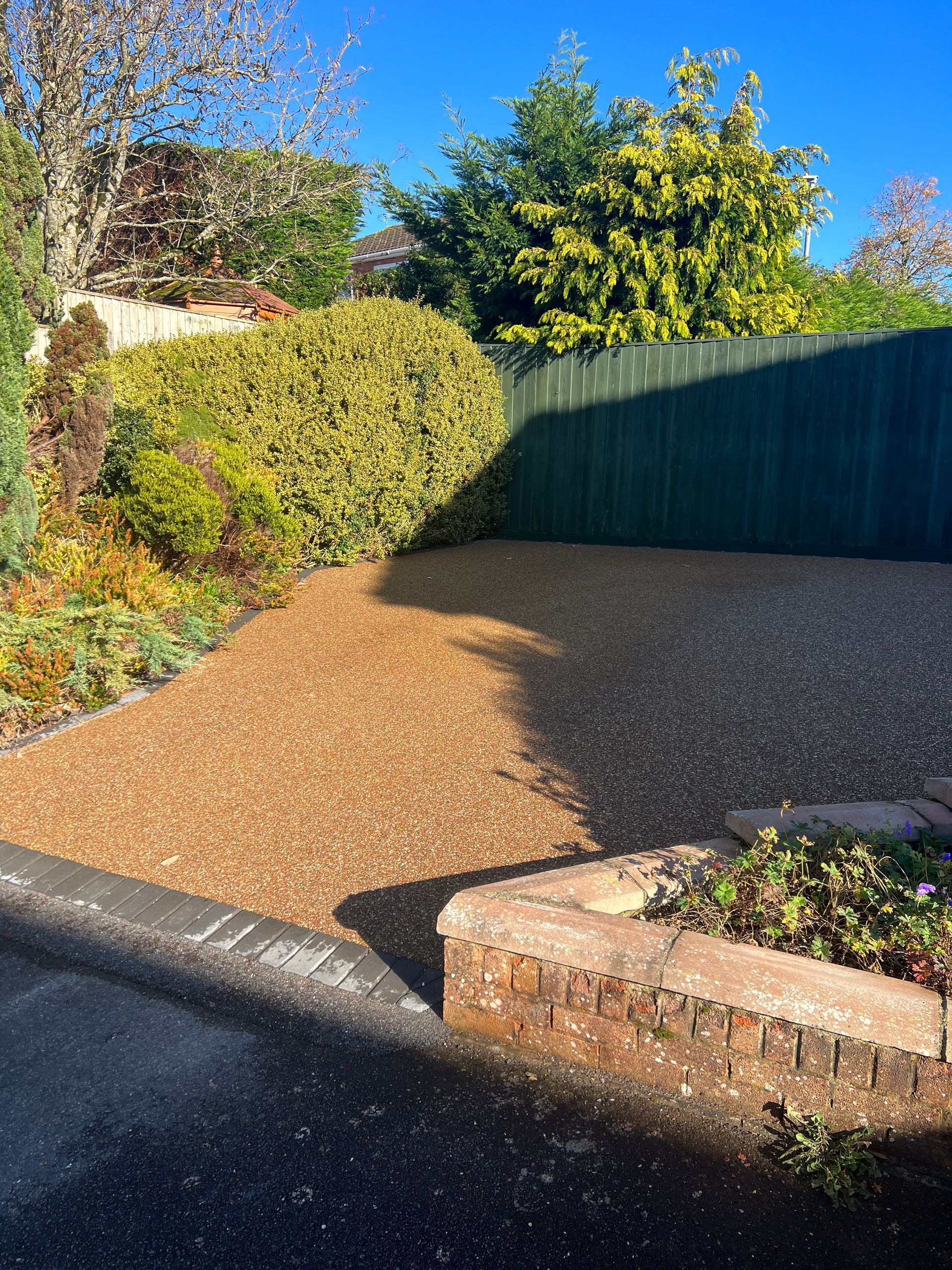
In terms of visual appeal, the second image below demonstrates that resin produces a smooth and seamless finish; additionally, hundreds of natural stone colours are available. You can create a bespoke design for modern or classic properties; there is a colour to match any property.
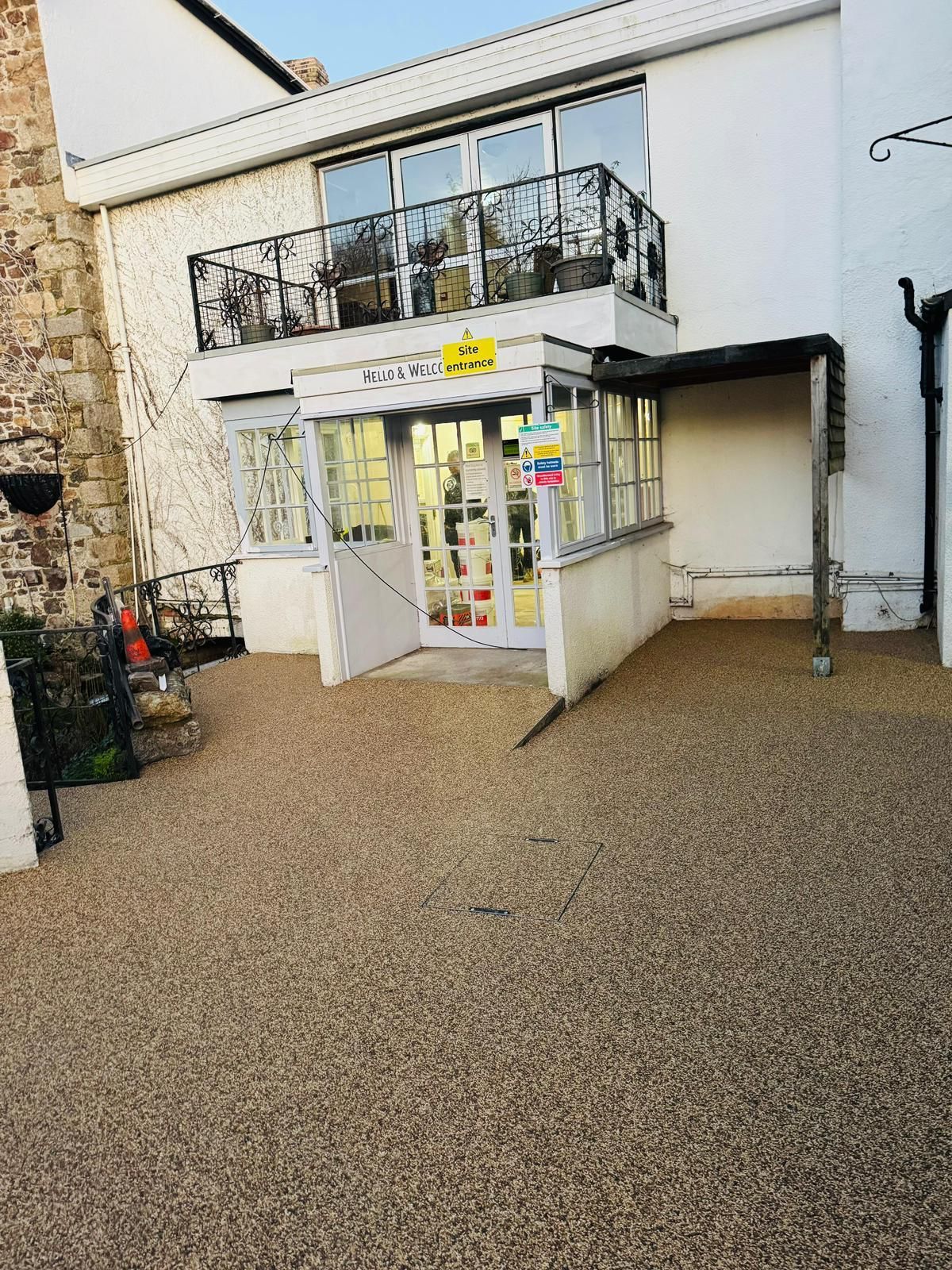
Concrete, as shown in the first image below, provides a nice, clean effect. Colours and "stamp" patterns can be changed, though variation is limited when compared to resin.
Who wins the visual aspect competition? Every time, we use resin. There are numerous options available to suit any type of property.

Nature's Symphony
Faces of Humanity
Lifetime
Concrete is a very strong material capable of supporting heavy loads. However, it is the most "crackable" surface when the weather changes. When cracking occurs, repairs are also clearly visible.
When installed properly, resin is extremely durable. It has a lot of "flex", which means it can withstand ground movement better than other driveway materials and is less prone to cracking. Resin is ideal for any surface that will be subjected to vehicle traffic.
Drainage Abilities:
Resin bound surfacing is the most porous (permeable) driveway option available. Water just drains through right away. This means no puddling, lower flood risks, and full SUDS compliance. This means no puddling, lower flood risks, and full SUDS compliance.
Furthermore, because of the drainage capabilities, there is no need for planning permission to install resin on property. Concrete is completely impermeable, making it terrible for water management. Concrete is completely impermeable, making it terrible for water management.
Resin is far and away the superior option for drainage; after all, that is what it is intended for.
Cost of Resin versus Concrete
This is where concrete outperforms resin; it is typically 20-40% less expensive to install, depending on size and specifications. This is where concrete outperforms resin; it is typically 20-40% less expensive to install, depending on size and specifications. However, over time, with the additional maintenance costs of concrete, it can often balance out.
Maintenance
Resin is extremely low-maintenance, requiring only occasional sweeping and perhaps a jet wash once a year! Resin is extremely low-maintenance, requiring only occasional sweeping and perhaps a jet wash once a year! The porous nature of resin also helps to prevent debris buildup on the driveway.
Concrete requires little maintenance for the first few years. After that, it may start to fade and crack. It can also become quite slick in the winter as it begins to wear. In this sense, sealing is required to keep concrete functional and looking good, which can cost between £500 and £2,000.
How long does it take them to install?
Installation times are extremely similar. When it comes to a full excavation project, the process is quite similar: dig out the area to the required depth, dispose of all waste, build the base and sub-base, and install the finished surface.
For most domestic projects, resin or concrete installation can take between 3 and 7 days.
Additionally, both materials require several days before vehicles can be used.
Which surface has the best overall performance?
According to the guide, resin offers more benefits than concrete. However, if you have a tight budget, saving 20-40% can be significant. So, in the end, it all comes down to cost. If you want a product that will last longer, look better, and require no maintenance, resin is the clear choice.
That said, some customers prefer the design of concrete, and are happy to pay the maintenance fees every few years. In that case, it would make more sense to go for concrete.
You might also like
Longevity Resin Driveways Bromley